OfficeGames guides
Game guides that get to the point.
Clear strategies for the games you already play — plus practical ideas for a better five-minute break.


Featured guide
Best Wordle starting wordsLetter-frequency analysis behind the strongest openers, for 4, 5 and 6-letter modes.8 min read · Updated Aug 2026Read the guideBrowse by game
Latest game guides
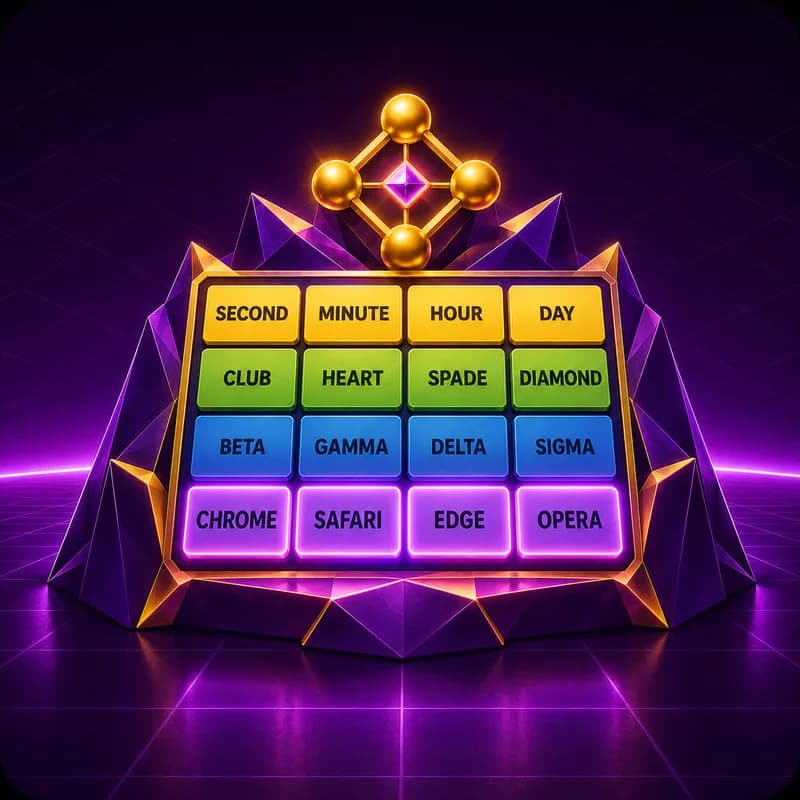 How to solve ConnectionsStart from your surest group, spot the overlap traps, and spend four mistakes on purpose.Read guide
 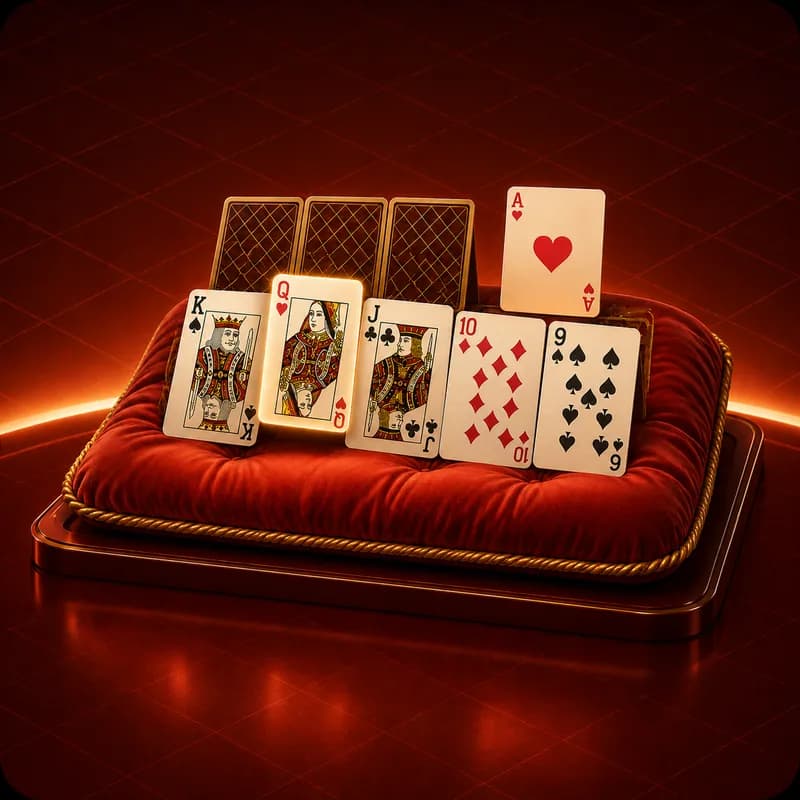 Klondike Solitaire strategyTurning face-down cards is the game. Why rushing the foundation loses, and how Draw 3 changes it.Read guide
 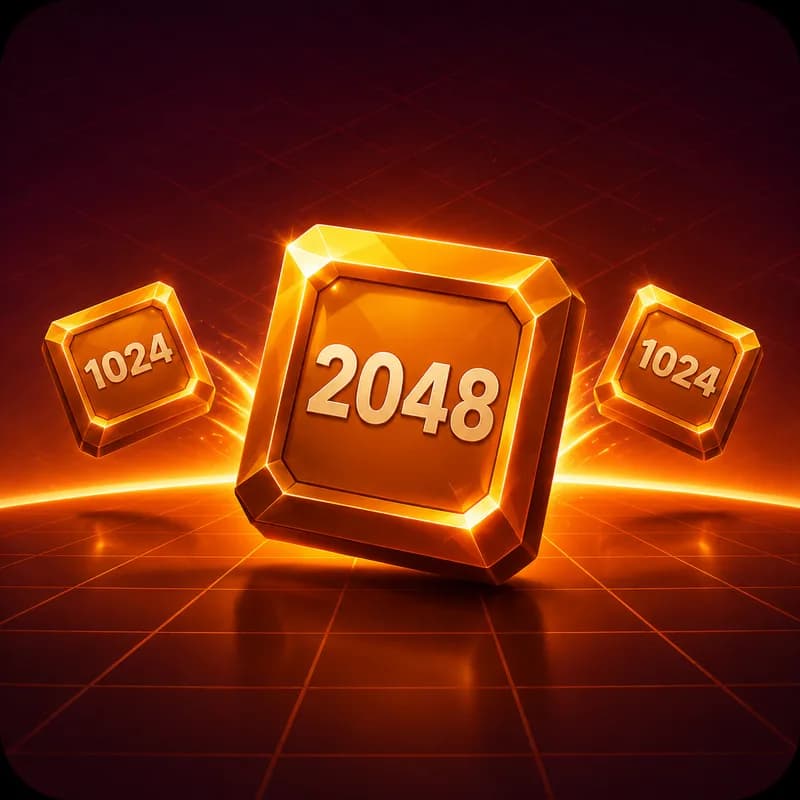 How to win 2048Pick a corner, use three directions, build a snake — and what changes in endless mode.Read guide
  Yatzy Booku! scoring strategyThe 50-point upper bonus decides most games. How to track it, and when to take a zero.Read guide
  Sudoku solving techniquesScanning, hidden singles, pairs and X-Wing — in the order they actually become necessary.Read guide
  Wordle hard mode strategyHow to play with constraints enabled: pattern matching, risk management and letter elimination.Read guide
  Chess opening principlesThree jobs and about ten moves: the centre, development, and getting the king castled.Read guide
No guides for that game yet.
Nothing matches that search.
Better breaks at work
Useful reading beyond the games.
Which one should you read?
These are written to be read once and used immediately. Each one takes a single question — which opening word actually performs best, how to play Wordle with constraints turned on, whether a short break genuinely helps — and answers it with the reasoning shown, so you can disagree with the conclusion if you want to. None of them is a listicle, and none is padded to hit a length.
Start with a strategy guide if you already play the game and want to be better at it: the Wordle guides cover opening words and hard mode, which are the two decisions that change your average most. Start with a break guide if you are here for the other reason — the research on what a short, bounded game does for attention, and why a puzzle that ends beats a feed that does not.
Every guide names when it was last updated. Where a claim comes from published research it says so; where it comes from playing the game a great many times, it says that instead.